People with Intellectual and Developmental Disabilities (IDD) may have an increased risk of developing dementia and often develop it at an earlier age. As longevity has increased in this population, so have incidences of dementia. Resources and supports for individuals with IDD and dementia have not kept up.
Armed with these facts, Maren Levad, Dementia Friendly Initiatives program manager at Trellis, saw an opportunity to raise awareness about dementia in people with Intellectual and Developmental Disabilities (IDD) using Dementia Friends Information Sessions.
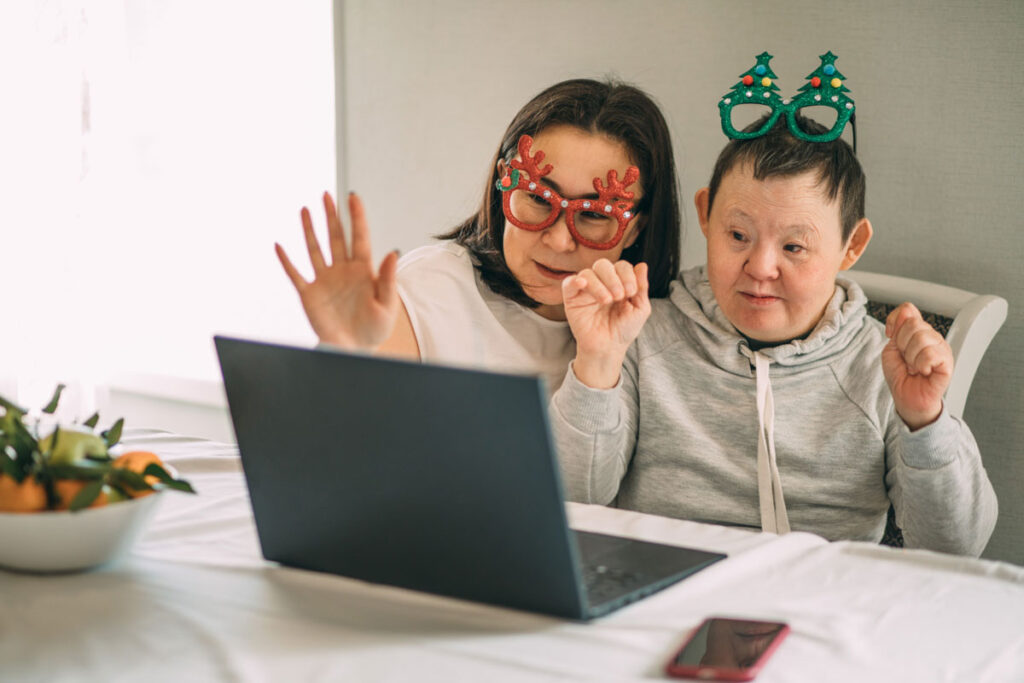
“Dementia Friends is a simple product with a big impact,” according to Levad. “It is a 75-minute session led by community members that works to change the way we think, act and talk about dementia. Over the past 11 years we have trained more than 31,000 dementia friends in Minnesota. We are pleased to be able to provide a version of Dementia Friends that is adapted for the IDD community.”
Dementia Friends highlights five key messages:
- Dementia is not a normal part of aging. Not everyone who grows old will develop dementia.
- Dementia is caused by diseases of the brain. The most common is Alzheimer’s.
- Dementia is not just about having memory problems. It can affect thinking, communication and doing everyday tasks.
- It is possible to have a good quality of life with dementia.
- There’s more to the person than the dementia. People with dementia are a valuable part of the community.
The sessions help people learn early warning signs of dementia, tips for communicating with someone with dementia and how to turn understanding into action. Facilitators also share resources and other supports on dementia.
Dementia Friends tailored for IDD
Trellis’ work to make Dementia Friends available to the IDD community is funded through a grant from the Administration on Aging’s Administration for Community Living (ACL). Dementia Friends Ohio had already adapted the Dementia Friends Minnesota curriculum under an earlier grant from ACL. The work in Minnesota is being done in partnership with The ARC Minnesota and the Down Syndrome Association of MN.
Dementia Friends: Intellectual and Developmental Disabilities uses the same format as other Dementia Friends sessions with the addition of information about dementia and IDD. Some of the key facts shared in the session include:
- Alzheimer’s disease is of more concern for people with Down syndrome than those with other forms of intellectual disability because of the third or “extra” copy of chromosome 21 found in individuals with Down syndrome.
- Chromosome 21 carries a gene that produces one of the key proteins involved with changes in the brain caused by Alzheimer’s disease (APP-amyloid precursor protein which is responsible for amyloid plaque formation.)
- Alzheimer’s disease is not inevitable in people with Down syndrome. Estimates show that it affects about 30% of people with Down syndrome in their 50s. By their 60s, this number comes closer to 50%. Although risk increases with each decade of life, at no point does it come close to reaching 100%.
- Early signs of dementia are different for people with IDD. Short-term memory loss is not usually an early sign. New onset seizure activity, new or increased incontinence, mobility changes, swallowing difficulties, changes in mood or personality, withdrawal from work or social activities are among the early signs.
When will sessions be available?
In February, Trellis is training champions to lead Dementia Friends: IDD Information Sessions. The initial focus is on caregivers, with sessions starting in the spring.
Levad is working on another version of Dementia Friends that will be led by individuals with Down syndrome for their peers. “A peer-to-peer session is a very powerful way to raise awareness about dementia and IDD,” said Levad. “We are working to make the guide user friendly for the champions with plain language that can be easily understood by their peers. It’s exciting work.”
If you are interested in becoming a Dementia Friends: IDD Champion or would like to host an information session, contact Maren Levad at info@actonalz.org.